
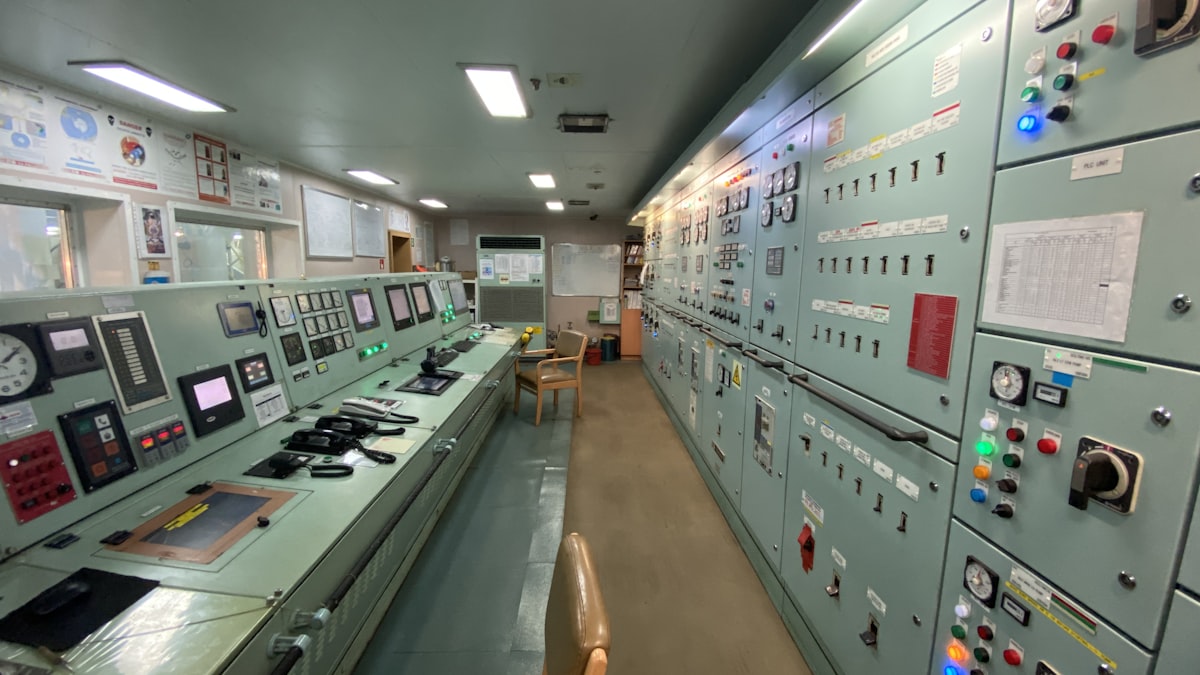
What is SCADA?
SCADA — Supervisory Control and Data Acquisition — is an industrial control system architecture that enables operators to monitor, control, and gather data from industrial processes, infrastructure, and facilities across geographically distributed locations, all from a centralized control room.
From water treatment plants and power grids to oil refineries and food production lines, SCADA systems are the nervous system of modern industrial operations. They translate the physical world of pumps, valves, and motors into actionable digital information that operators can see and act on in real time.
Core Components of a SCADA System
A modern SCADA system consists of several interconnected layers:
Field Instrumentation
At the ground level, sensors and transmitters measure physical parameters: pressure, temperature, flow rate, level, speed, current. These devices convert physical phenomena into electrical signals that can be read by control hardware.
Remote Terminal Units (RTUs) and PLCs
RTUs and PLCs are the field-level controllers that interface directly with sensors and actuators. They execute local control logic autonomously — a PLC controlling a motor start/stop sequence, for example — while simultaneously reporting data upward to the SCADA server. Modern PLCs have largely replaced traditional RTUs in most applications due to their greater processing power and flexibility.
Communication Infrastructure
The communication backbone connects field devices to the central system. This may include:
- Industrial Ethernet (Profinet, EtherNet/IP) for high-speed local networks
- Fiber optic for long-distance, noise-immune connections
- 4G/5G cellular or satellite for truly remote installations
- Industrial protocols: MODBUS, DNP3, IEC 60870 for legacy compatibility
SCADA Server and Software
The SCADA server is the brain of the system. It collects data from all field devices, runs the real-time database, processes alarms, logs historical data, and serves the Human-Machine Interface (HMI) to operators. Leading SCADA platforms include Ignition (Inductive Automation), Wonderware (AVEVA), WinCC (Siemens), and FactoryTalk (Rockwell).
Human-Machine Interface (HMI)
The HMI is what operators see and interact with — graphical representations of the industrial process with real-time data overlays. Modern HMIs are web-based, accessible from tablets and mobile devices, and support responsive design for different screen sizes.
What Makes Modern SCADA Different
The SCADA systems of today are fundamentally different from the isolated, proprietary systems of 20 years ago:
- Open standards: OPC-UA enables seamless integration between different vendors' systems
- Cloud connectivity: data can be pushed to cloud platforms for advanced analytics and remote access
- Cybersecurity: role-based access control, encrypted communications, audit trails — essential as industrial systems become more connected
- Historian integration: decades of process data stored and queryable for trend analysis and compliance reporting
- Mobile access: supervisors can monitor critical KPIs from anywhere in the world
SCADA in Practice: Key Use Cases
Manufacturing
In a manufacturing environment, SCADA provides a real-time view of the entire production line: machine states, production counts, quality parameters, energy consumption, and OEE (Overall Equipment Effectiveness). Operators receive instant alerts when a machine goes down or a quality parameter drifts out of specification.
Utilities and Infrastructure
Water treatment plants use SCADA to control chemical dosing, monitor water quality across distribution networks, and automate pump stations — all from a single control room. Power utilities use SCADA to balance loads, detect faults, and restore service rapidly after outages.
Oil & Gas
Pipeline SCADA monitors pressure and flow across hundreds of kilometers of pipeline, detects leaks, and can automatically shut valves in response to abnormal conditions — critical for both safety and environmental compliance.
Getting Started with SCADA
The right SCADA approach depends on your specific industry, scale, and existing infrastructure. Key decisions include: platform selection, network architecture, historian sizing, and cybersecurity framework.
Ionova has deep experience designing and deploying SCADA systems across manufacturing, utilities, and process industries in Indonesia. We handle everything from system architecture and panel engineering to software configuration, commissioning, and operator training. Contact our team to discuss your project requirements.